
"Peru coffee production"
1000 article(s) found
Introduction to the origin of coffee in America-- Peruvian boutique coffee Peruvian coffee taste Peruvian coffee
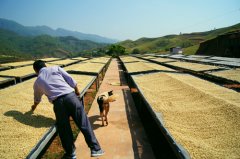
Well-known representative coffee: Peru (Peru) Peru is one of the major coffee producing countries in South America, and coffee is Peru's largest export agricultural product, which has grown greatly in recent years. It can be seen from the map that the Andes mountains run parallel to the coast in Peru. More than 90% of Peruvian coffee is grown in the north, in the valleys east of the capital Lima, and in the slopes of the Andes.

Peruvian coffee the characteristics and market of Peruvian coffee
Peru (Peru) is also a big coffee producer. Peruvian coffee producing areas: up to 98% of Peruvian coffee is grown in forest areas, and most of the producers are small farmers. Peru's finest coffee is produced in Chanchmayo, Cuzco, Norte and Puno. Most Peruvian coffee is grown under natural conditions, but it is difficult to confirm

Description of flavor characteristics of Peruvian coffee beans and planting conditions of Peruvian coffee producing area
Peruvian coffee, famous for its organic coffee. Peru (Spanish: Per; Quechua, Aymara: Piruw), the full name of the Republic of Peru (Spanish: Repblica del Per), is a country in western South America. Flavor and taste characteristics: high quality and balanced, palatable acidity, can be used to blend coffee Peru is a coffee-rich country with only 10% of Arabica

Peruvian coffee history and origin introduction
Pay attention to the coffee comment (Weixin Official Accounts vdailycom ) and find that the beautiful cafe opened its own small shop coffee came to Peru between 1740 and 1760. At that time, the jurisdiction of the Viceroy of Peru was larger than that of Peru today. Although the climate was quite suitable for large-scale coffee cultivation, for the first 100 years, all coffee was drunk locally. Coffee exports to Germany and England

Peruvian coffee flavor and taste Peruvian organic coffee boutique coffee beans Peruvian coffee beans
Peru is also a big coffee producer. Up to 98% of Peruvian coffee is grown in forest areas, and most producers are small farmers. Coffee is high-quality and balanced and can be used for mixed drinks. Peru has good economic conditions and a stable political situation, thus ensuring the good quality of coffee. In the mid-1970s, Peru produced about 900000 bags of coffee a year, and then continued.

A brief introduction to the cultivation of Peruvian boutique coffee beans with good acidity, geographical location, climate and altitude
Peru is also a big coffee producer. Up to 98% of Peruvian coffee is grown in forest areas, and most producers are small farmers. Coffee is high-quality and balanced and can be used for mixed drinks. Peru has good economic conditions and a stable political situation, thus ensuring the good quality of coffee. In the mid-1970s, Peru produced about 900000 bags of coffee a year, and later

Introduction of American coffee bean producing areas-Peruvian boutique coffee Peruvian coffee unique taste Peruvian coffee style
Well-known representative coffee: Peru (Peru) Peru is one of the major coffee producing countries in South America, and coffee is Peru's largest export agricultural product, which has grown greatly in recent years. It can be seen from the map that the Andes mountains run parallel to the coast in Peru. More than 90% of Peruvian coffee is grown in the north, in the valleys east of the capital Lima, and in the slopes of the Andes.

Introduction to coffee bean producing areas-- South America Peruvian boutique coffee Peruvian coffee characteristics Peruvian coffee mouth
Well-known representative coffee: Peru (Peru) Peru is one of the major coffee producing countries in South America, and coffee is Peru's largest export agricultural product, which has grown greatly in recent years. It can be seen from the map that the Andes mountains run parallel to the coast in Peru. More than 90% of Peruvian coffee is grown in the north, in the valleys east of the capital Lima, and in the slopes of the Andes.

How about Peruvian coffee? introduction to Peruvian caturra coffee beans
Professional coffee knowledge exchange more coffee bean information please follow the coffee workshop (Wechat official account cafe_style) front street-Peru Coffee introduction Peru (Spanish: Per), located in western South America, a country with extremely long coastline, there are also north and south of the Andes Mountains, mountains cover 1/3 of the country. The western part of Peru has a tropical desert climate, while the eastern part,

Peru organic coffee beans introduction Peru coffee producing area manor taste flavor introduction
The difference between regular organic Peruvian coffee and high-quality organic Peruvian coffee is enormous: the cheaper beans are not only inferior in quality, but often have significant defects in the cup. Especially grassy, overfermented. Finding good Peruvian coffee beans takes a lot of effort, through a lot of middlemen and other sources.

Introduction to the characteristics of the flavor description of Peruvian coffee organic coffee varieties
In 1542, the Spanish royal family set up the Government House in Lima and established the Governor's District of Peru, which became the center of Spanish colonial rule in South America. At that time, Peruvian commerce was prosperous, merchants controlled most of South America's import and export trade, and the precious metals and other goods looted by the Spaniards from South America were shipped out of Peru. The colonists encroached on land in Peru, forced the Mita system, and forced the Indians to

Smooth taste Peruvian coffee Flavor Description Grindness Variety Characteristics Treatment Introduction Grindness
Independence was declared on July 28, 1821, establishing the Republic of Peru. On October 28, 1835, Bolivia and Peru were formally united, known as the Peruvian Confederation. On February 20, 1839, the Confederacy collapsed. Slavery was abolished in 1854. From 1879 to 1883, Peru joined Bolivia and Chile in the South American Pacific War for saltpeter production. After Peru's defeat, Chile took over the world.

Elegant and mild sour Peruvian Coffee Flavor description Variety characteristics of Fine Coffee
Independence was declared on July 28, 1821, and the Republic of Peru was established. On October 28, 1835, Bolivia and Peru formally merged, known as the Confederacy of Peru and Bolivia. On February 20, 1839, the Confederacy completely disintegrated. Slavery was abolished in 1854. From 1879 to 1883, Peru joined Bolivia and Chile in the South American Pacific War for saltpeter production. After Peru's defeat, Chile captured the world.

Introduction of coffee beans produced in Mayu and Cusco, Peru
Following caf é (Wechat official account vdailycom) found that the Cafe Beautiful Cafe opened a small shop of Peruvian coffee beans, which is most famous for its coffee beans from Mayou tea in the center and Cusco in the south. In addition, there are also some regions in northern Peru that produce specialty organic coffee. Organic coffee is made of beans grown in the shade of trees. Although the square planted in the shade of the tree

The history of coffee cultivation in Peru and the brewing methods of coffee cultivation in Peru
Following caf é (Wechat official account vdailycom) found that the history of Peruvian Coffee growing Coffee is not long, but as a rising star, Peruvian Coffee is gradually gaining popularity and entering the world. Peru is located in western South America, with a coastline of 2254 kilometers. The Andes runs from north to south, and the mountains account for 1% of the country's area. it belongs to the tropical desert.

The rise of Peruvian Coffee suggestion for Peruvian Zen Tea Mayou Coffee
Professional coffee knowledge exchange more coffee bean information please follow the coffee workshop (Wechat official account cafe_style) Zen tea Mayu coffee beans have always been used as one of the stable mellow mixed beans of comprehensive coffee, which is relatively low-key in the coffee industry. But as more and more people like the mellow taste of Peruvian coffee, Zen tea Mayou coffee beans have sprung up rapidly in the international market in recent years.

Peruvian Coffee Variety of Peruvian Coffee in Peruvian Town, Peruvian Province, washed by Peruvian Geisha
Professional coffee knowledge exchange more coffee bean information please pay attention to the coffee workshop (Wechat cafe_style) Peru Junin Chanchamayo Perene Geysha Washed Huning District, Peru Chanchamayo Province Peregrine Town Geisha Rose Summer washing flavor description: dry fragrance for orange peel, bergamot, flower, lemon and lime. Sipping lemon peel, bergamot, black tea,

A brief introduction to the description of flavor and aroma characteristics of Peruvian boutique coffee beans with palatable acidity
Peruvian coffee market: the private Peruvian Coffee exporters Association (ComeradeExportadoresdeCafedelPeru) has been established, which is committed to improving the quality of coffee, and its primary task is to set standards and eliminate inferior products, thus creating an atmosphere of quality supremacy. This positive move heralds a bright future for the coffee industry. After that, as prices rose, farmers were also encouraged.

Flavor characteristics, producing areas and brewing parameters of Peruvian Coffee
Exchange of professional baristas Please pay attention to the coffee workshop (Wechat official account cafe_style) Peruvian coffee single bean flavor characteristics, production areas and brewing parameters Peruvian coffee is grown in a planned way, resulting in a great increase in coffee production. Its rich acidity and mellow smoothness are its most prominent features. Peruvian coffee has a soft sour taste, medium texture, taste and aroma
American Fine Coffee Peruka Hamaka producing area Sunshine Cooperative easy to wash and treat Fine Coffee
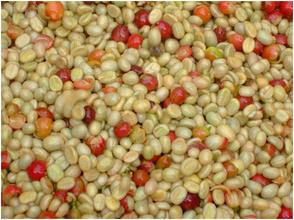
Peruvian coffee is of high quality and balanced and can be used for mixed drinks. Peru (Peru) is also a big coffee producer. Up to 98% of Peruvian coffee is grown in forest areas, and most producers are small farmers. Peru has good economic conditions and a stable political situation, thus ensuring the good quality of coffee. However, there are many local problems, except guerrilla warfare and drug trafficking.